
Our planet is filled with incredible natural and artificial landmarks—from majestic mountains to mysterious caves. And even if you can’t see them in person, you can always savor their beauty through photographs.
Jeremy Wayne Tate recently published a series of photographs on X of religious structures located in truly impressive locations. These architectural masterpieces can delight anyone—regardless of religious beliefs—through their harmony with the surrounding nature.
In a conversation with Bored Panda, the author noted that modern people increasingly feel a disconnect with the past. He explains that people are struck not only by the scale of their ancestors’ buildings but also by their conviction that creating beauty is a way to glorify God.
Tate himself admitted that he has only visited a few of these places so far, but dreams of seeing them all. He also emphasized that ancient masters sought to build temples in picturesque landscapes to highlight the grandeur of nature and express reverence for higher powers.
In his opinion, the popularity of such publications is unsurprising. A large number of users actively engage with content related to the architecture of the past, demonstrating modern society’s demand for aesthetics and beauty.
According to Population Education, approximately 85% of the world’s population identifies as religious. The largest religions include Christianity, Islam, Hinduism, and Buddhism, but there are approximately 4,000 different faiths worldwide. Naturally, each of these faiths has its own sacred sites.
While prayer is not necessarily performed in a majestic temple, it is undeniable that architecture and surroundings can enhance the spiritual experience.
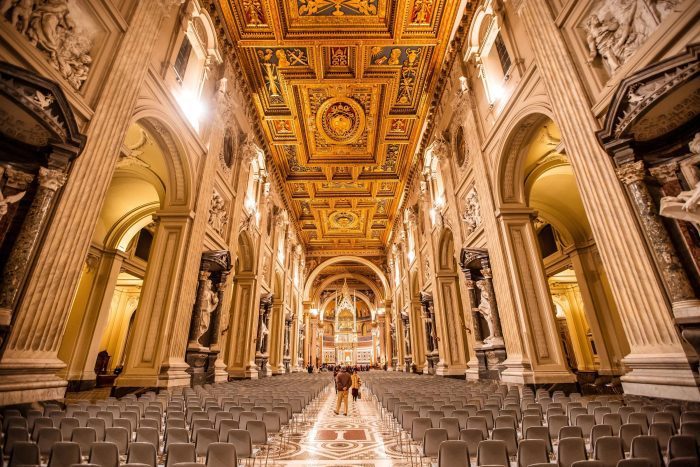
Among the most significant religious sites mentioned by various sources is the Archbasilica of St. John Lateran—the oldest church in Rome and the main church of the Catholic Church. The tombs of the popes are here, as are the Holy Steps, which, according to tradition, are associated with the life of Jesus.
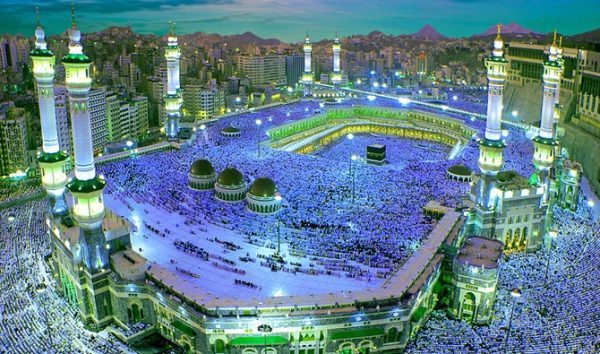
Equally important is the Great Mosque of Mecca. At its center is the Kaaba, the holiest shrine to which Muslims worldwide turn during prayer. A pilgrimage to Mecca is considered obligatory at least once in a lifetime for every Muslim.
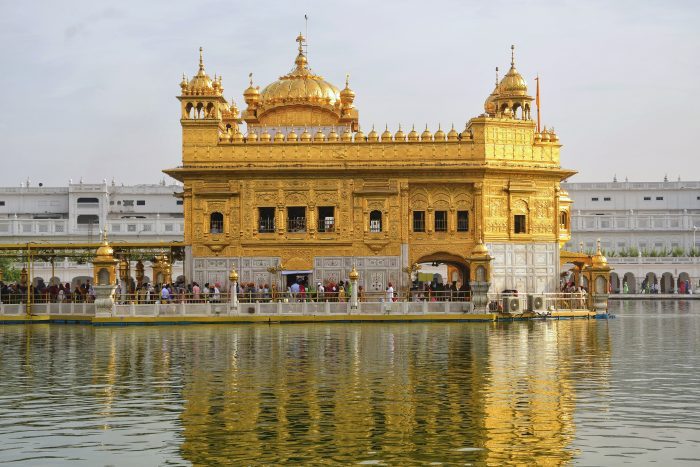
In India, the Golden Temple is the main spiritual center of Sikhism. This white marble structure, covered in gold, is surrounded by water, creating a particularly impressive visual effect at different times of day.
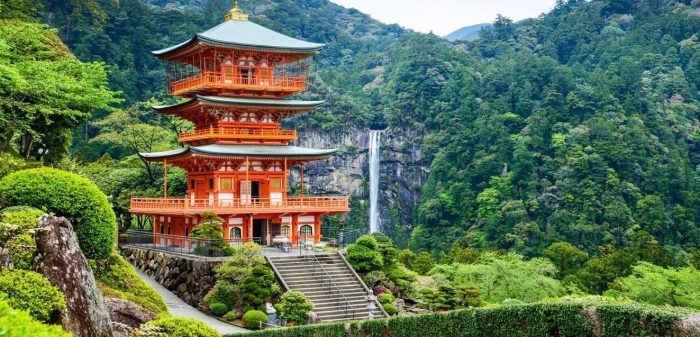
In Japan, the Ise Grand Shrine, the most important Shinto shrine, is particularly significant. It is known for its tranquil atmosphere and is considered an ideal place for meditation and spiritual purification.
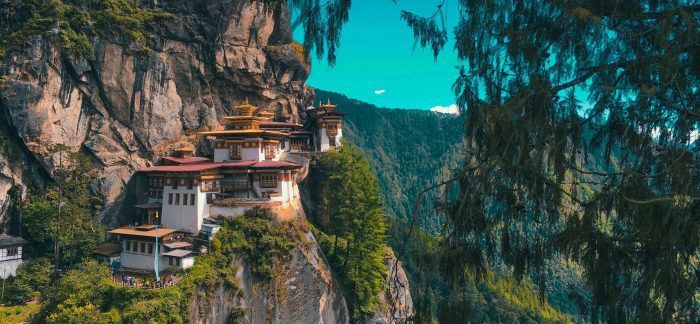
Among other impressive sites, the Paro Taktsang Monastery, known as the “Tigress’s Nest,” stands out. Situated at approximately 900 meters above the Paro Valley, it is considered a sacred site with a deep spiritual history.
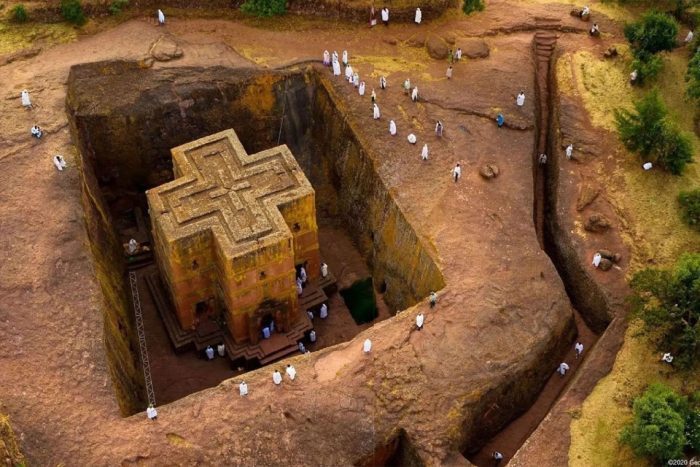
Also noteworthy is the Church of St. George, a unique church carved directly into the rock. It was built in the 12th century by order of King Lalibela, who sought to create a “new Jerusalem” for the faithful.
Such places are striking not only for their architecture but also for their history, spiritual significance, and incredible location. They inspire people around the world, regardless of their beliefs.
 Discuss
➜ Read more
Discuss
➜ Read more