
Hair transplant technology has made huge strides in recent decades. While back in the 1970s, so-called “plugs” were used, which looked unnatural, by the 2000s, more modern methods, such as follicular unit transplantation, had emerged. Today, the results are so natural that it’s often impossible to tell the procedure was performed.
Modern methods can truly dramatically change a person’s appearance. For many who began experiencing baldness at an early age, this becomes a real salvation and a way to overcome their insecurities.
A collection of “before and after” photos compiled from various Instagram accounts showcases impressive results. These photos give hope to those worried about hair loss.
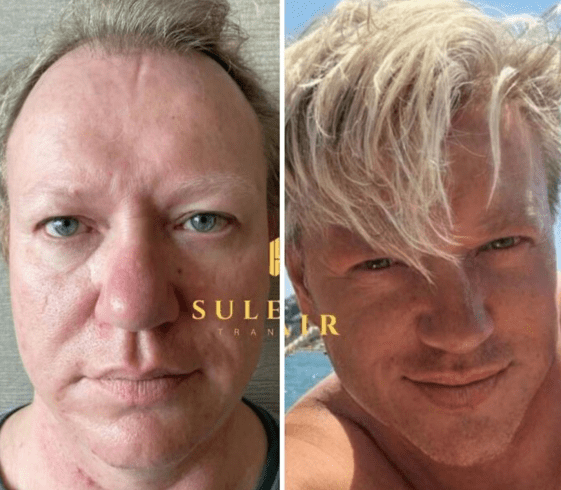
As experts note, modern hair transplant procedures are highly precise. In an interview with Bored Panda, plastic and reconstructive surgeon Dr. Amy Bandy explained that follicular units containing one to four hairs are used in transplantation.
According to her, these units are transplanted with extreme precision, allowing for the recreation of a natural hairline. Furthermore, advances in medical equipment and the use of microscopes have significantly increased the survival rate of transplanted hair.
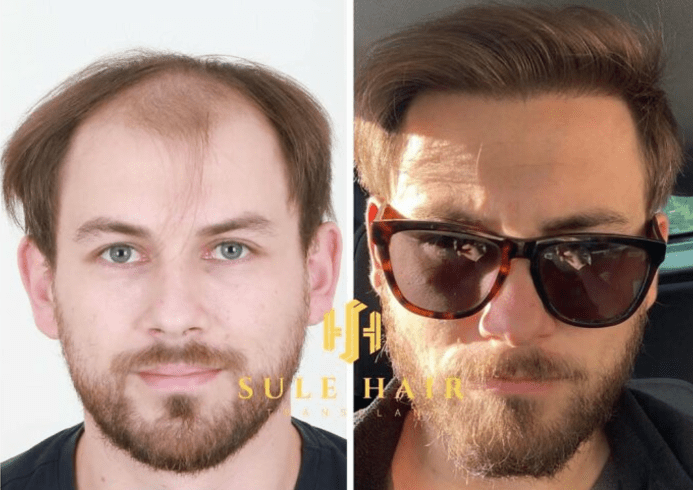
It is precisely thanks to this meticulous work that modern results look as natural as possible.
In comparison, less precise methods were used in the past. As facial plastic surgeon Dr. Cory Bonvenzi explained, older technologies involved transplanting large areas of skin with large quantities of hair, which created an unnatural effect and left noticeable scars.
Today, procedures can last 6 to 8 hours as doctors work with hundreds or even thousands of individual follicles. However, this approach allows for precise hairline contouring and long-lasting results.
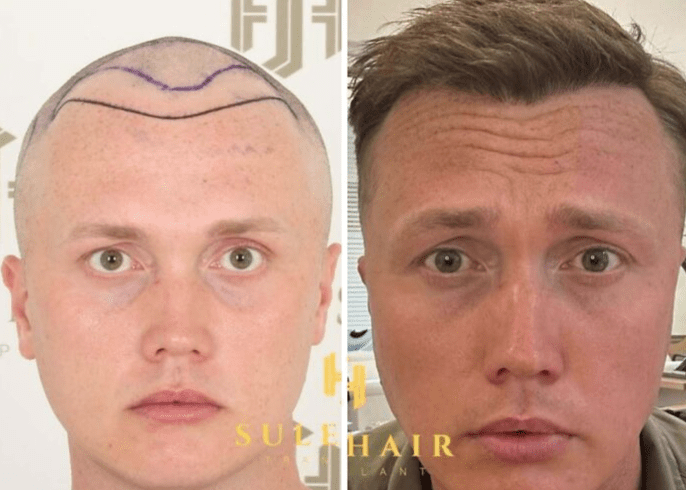
However, hair transplantation is not an instant solution. Despite the popularity of “before and after” photos, the process requires time and patience. According to Dr. Bandy, the final results are typically visible only 9-12 months after the procedure. She also emphasized that a hair transplant does not completely stop hair loss; it merely removes hair from resilient areas of the scalp. In some cases, patients still require additional treatment to maintain the results.
Dr. Bonvenzi added that so-called “shock loss” may occur in the first months after the surgery. This is a normal phase during which the transplanted hair temporarily falls out while the follicles establish a new blood supply.
The recovery process typically takes about six months, after which new hair growth begins.
 Discuss
➜ Read more
Discuss
➜ Read more